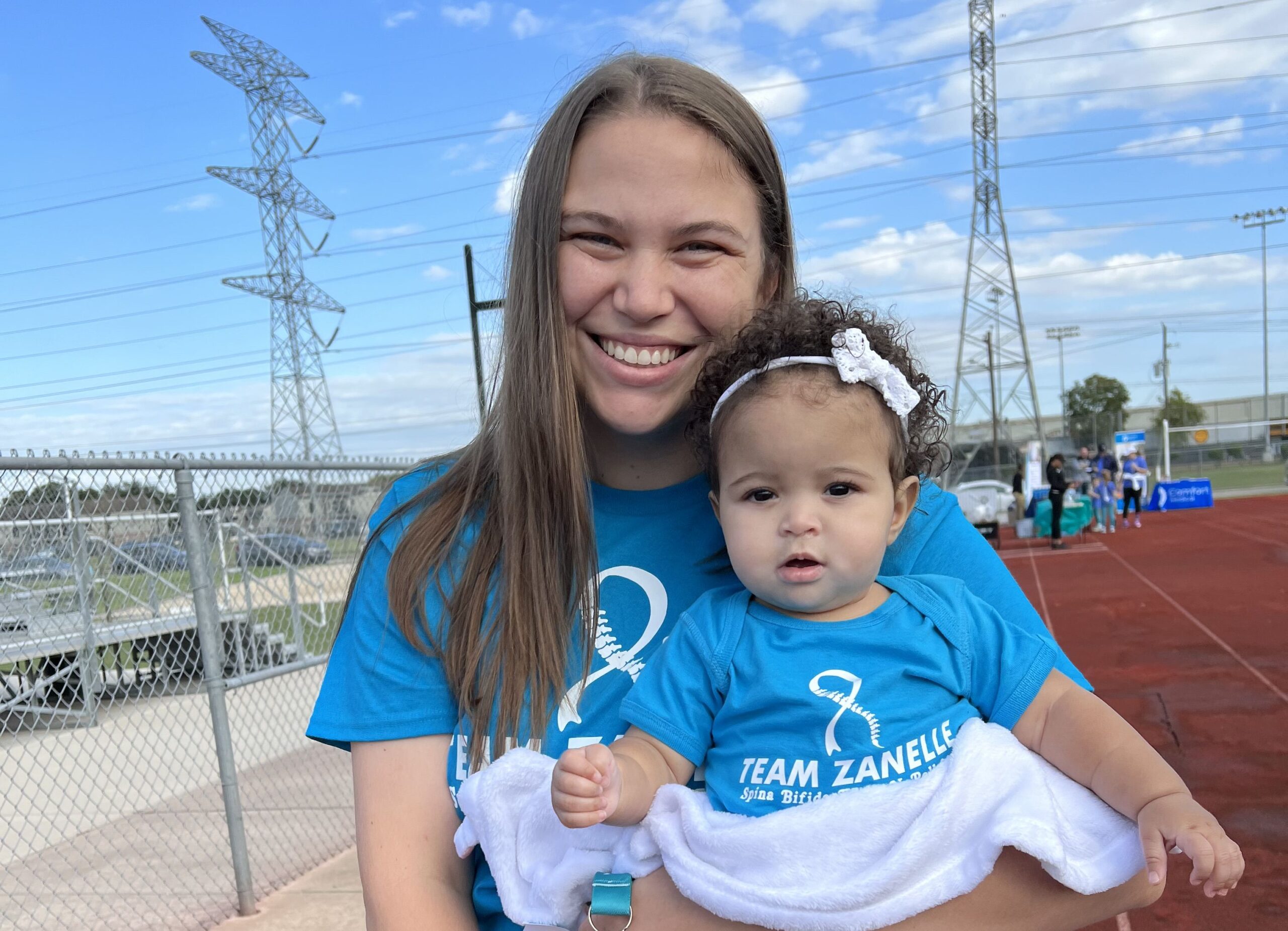
People with Spina Bifida are at higher risk of osteoporosis.
What is osteoporosis?
Osteoporosis is a condition that makes bones weak and easy to break. When someone has osteoporosis, their body loses bone faster than it can rebuild it. This makes bones thin on the inside, even if they still feel hard on the outside.
When bones lose a small amount of strength, it is called osteopenia. If osteopenia is not treated, it can turn into osteoporosis, which raises the chance of fractures.
What causes osteoporosis?
Our bones are always changing. Old bone breaks down, and new bone replaces it. With osteoporosis, the body breaks down old bone but does not make enough new bone.
Women lose bone faster after menopause. Men and women both lose bone as they get older, especially after age 40–50. In the United States, 1 in 2 women and 1 in 4 men over age 50 will break a bone because of osteoporosis.
Who is at risk for osteoporosis?
About 10 million Americans have osteoporosis, and 34 million more are at risk. People with Spina Bifida have a higher chance of weak bones and fractures, especially if they do not walk. Risk factors include:
● Family history: If osteoporosis runs in your family, tell your doctor.
● Immobility: Not moving or standing often.
● Long-term steroid use: Medicines for asthma or arthritis can weaken bones.
● Early menopause in women.
● People who are not able to walk and who must rely on wheelchairs for mobility.
● Low vitamin D levels.
How can I help prevent osteoporosis?
Healthy habits can protect your bones. Small changes can make a big difference.
Exercise
● Weight-bearing exercise helps build strong bones.
● If you use a wheelchair, keeping your arms and wrists strong helps with transfers.
● Light weight-lifting every day can help. Increase slowly if you are able.
Healthy eating
● Eat foods with calcium and vitamin D.
● Skim milk has the same calcium as whole milk but fewer calories.
● People who drink soy milk may need extra vitamins.
Limit caffeine and alcohol
● Too much caffeine can affect how your body uses calcium.
● Drinking a lot of alcohol can weaken bones.
Avoid smoking
● Smoking harms bones and the rest of the body.
● If quitting is hard, ask your doctor or pharmacist for help.
Is there a test for osteoporosis?
Osteoporosis usually has no symptoms until a bone breaks. This is why it is called a “silent” disease. The most common fractures happen in the wrist, hip, and spine. These breaks can be painful and dangerous.
A bone density test (called a DXA or DEXA scan) uses a small amount of X-ray to measure calcium and other minerals in your bones. Higher bone density means stronger bones and a lower chance of fractures.
The Osteoporosis and Bone Health Guideline for people with Spina Bifida recommends that anyone at risk—including some as young as 13 years old—talk with their primary care provider about getting a screening DXA scan. The results help decide whether treatment is needed.
How is osteoporosis treated?
There are medicines that help protect bone strength and lower the chance of fractures. They work best when started early, before osteopenia becomes osteoporosis. This is why talking with your doctor early is important.
For more information
- Nutrition, Metabolic Syndrome and Obesity Guideline, Guidelines for the Care of People with Spina Bifida
- Osteoporosis and Bone Health Guideline, Guidelines for the Care of People with Spina Bifida
- Bone Health and Osteoporosis Foundation
- Community Information Session: Adult Health and Aging Well with Spina Bifida
- Ask the Expert: Adult Health and Aging Well with Spina Bifida
Originally created by Brad Dicianno, M.D., Tim Brei, M.D., and Mary R. Ciccarelli, M.D.
Reviewed and updated by Vineeta Swaroop, MD and Robin Bowman, MD, November 2025
This information does not constitute medical advice for any individual. As specific cases may vary from the general information presented here, SBA advises readers to consult a qualified medical or other professional on an individual basis.